
Optimal Timing for Fire Restorations
Understanding the optimal time for fire restorations is essential for effective and efficient recovery. Factors such as weather conditions, humidity levels, and property occupancy influence the timing of restoration work. Conducting restorations during periods of low humidity and mild temperatures can help prevent further damage and facilitate proper drying and cleaning processes.
Spring and fall often provide ideal weather conditions for fire restorations, with moderate temperatures and lower humidity levels.
Avoid performing restorations during extreme heat or cold, as these conditions can hinder drying and cleaning efforts.
Timing restorations when the property is unoccupied minimizes disruption and allows for uninterrupted work.
Immediate response after a fire is crucial to prevent further damage, but comprehensive restorations are best scheduled once initial safety assessments are complete.
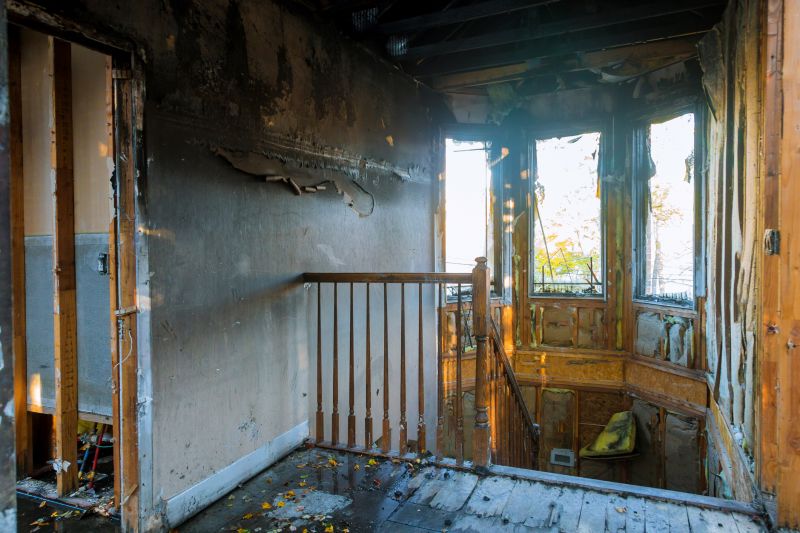
Initial evaluation to determine the extent of damage and necessary restoration steps.
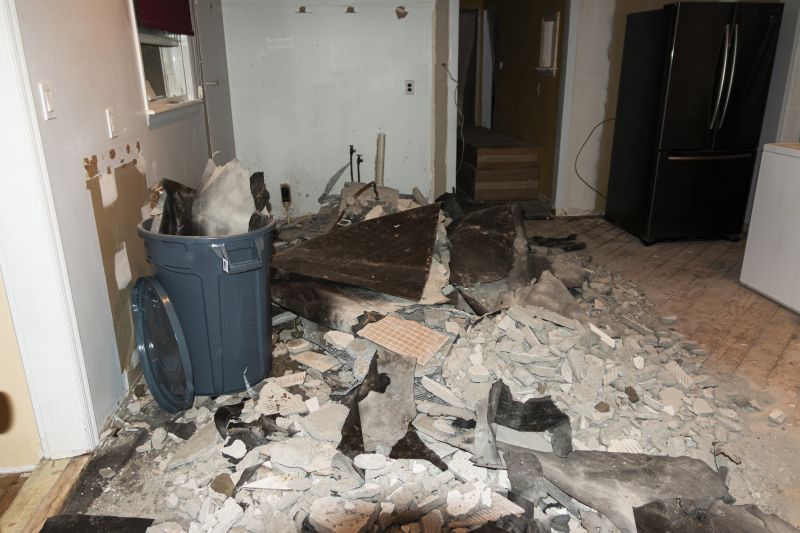
Removing soot, ash, and damaged materials to prepare for repairs.
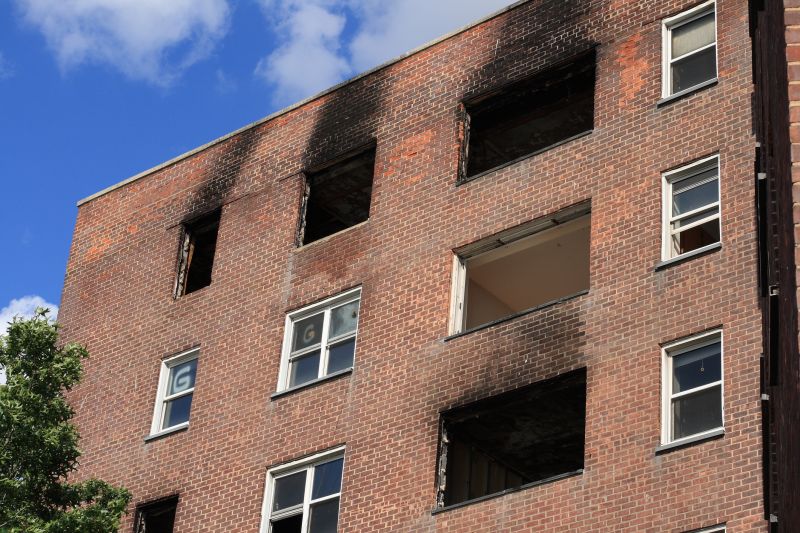
Restoring the integrity of the building's framework after fire damage.
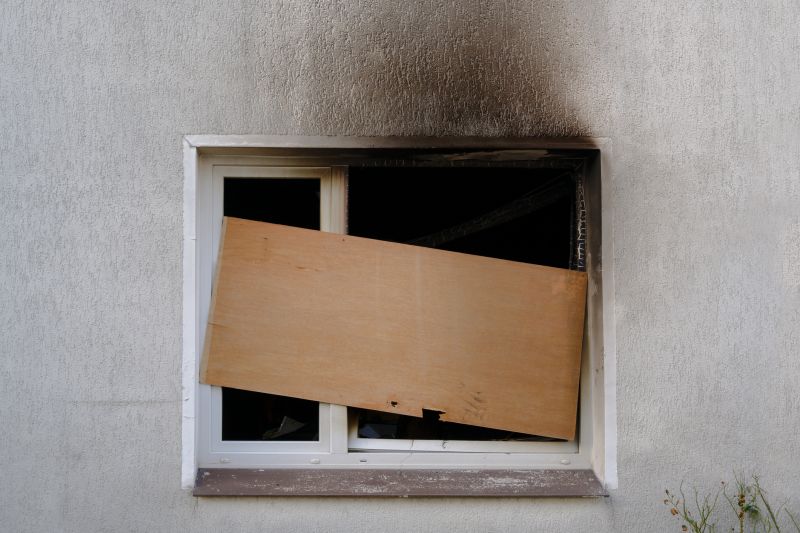
Eliminating persistent smoke odors through specialized treatments.
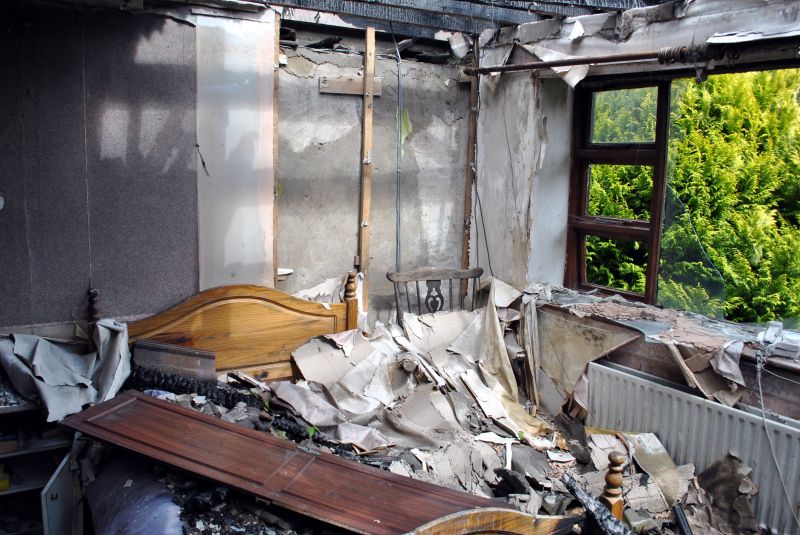
Ways to make Fire Restorations work in tight or awkward layouts.
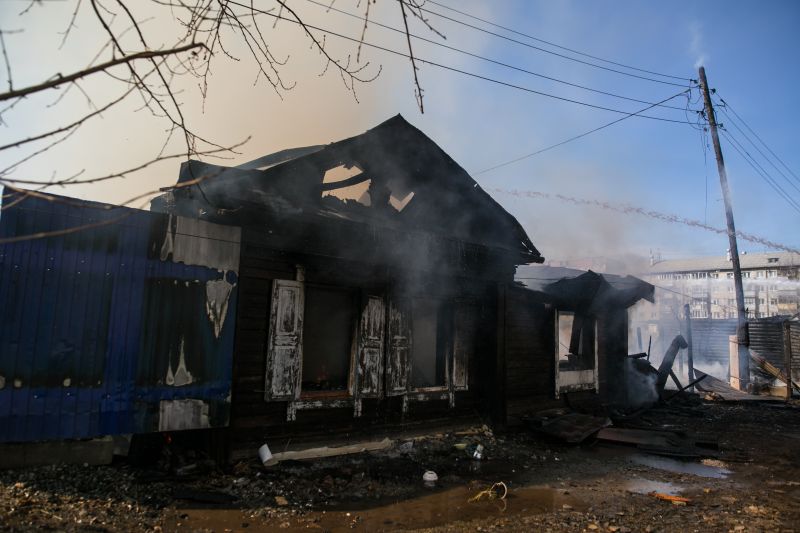
Popular materials for Fire Restorations and why they hold up over time.
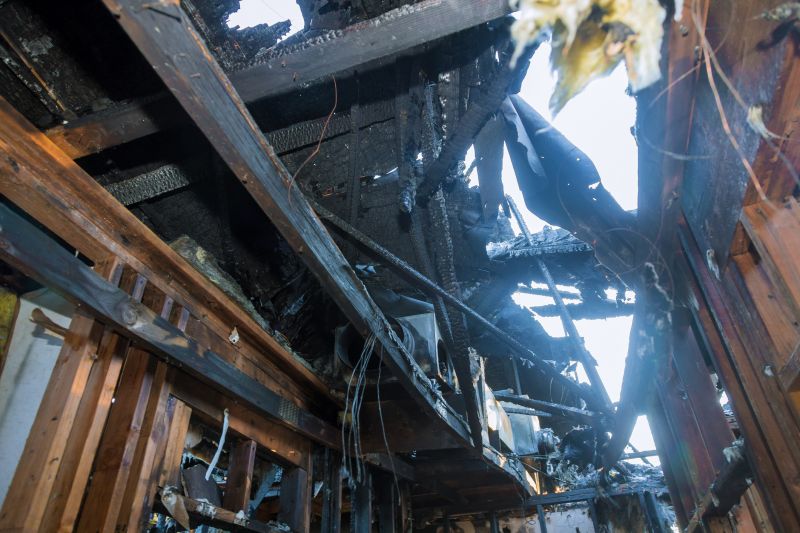
Simple add-ons that improve Fire Restorations without blowing the budget.
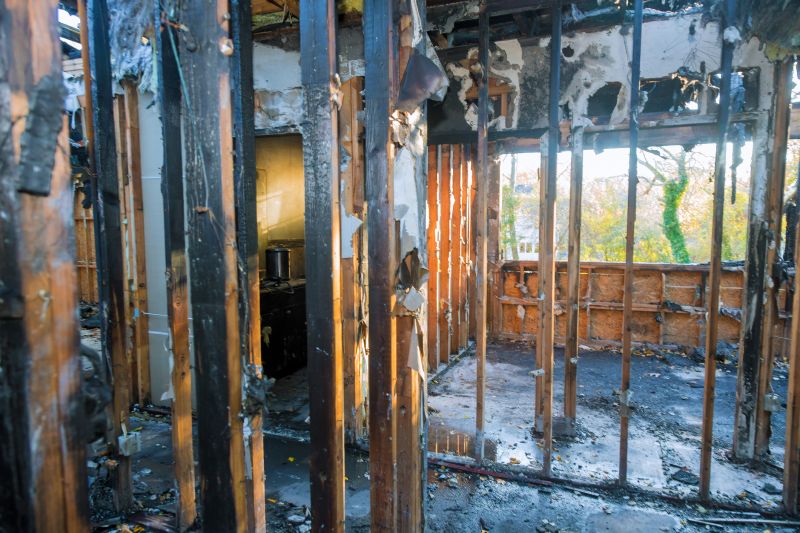
High-end options that actually feel worth it for Fire Restorations.
| Factor | Optimal Timing |
|---|---|
| Weather Conditions | Moderate temperatures and low humidity |
| Property Occupancy | When the property is unoccupied or minimally used |
| Seasonality | Spring and fall for milder weather |
| Emergency Response | Immediately after initial safety assessment |
| Long-term Planning | During stable weather periods |
Proper planning and execution of fire restorations can significantly impact the quality of the results. Weather plays a vital role in ensuring the effectiveness of cleaning and drying procedures. Delays caused by adverse weather conditions can lead to increased costs and extended property downtime. Therefore, scheduling restorations during periods with favorable weather conditions ensures better outcomes and reduces complications.
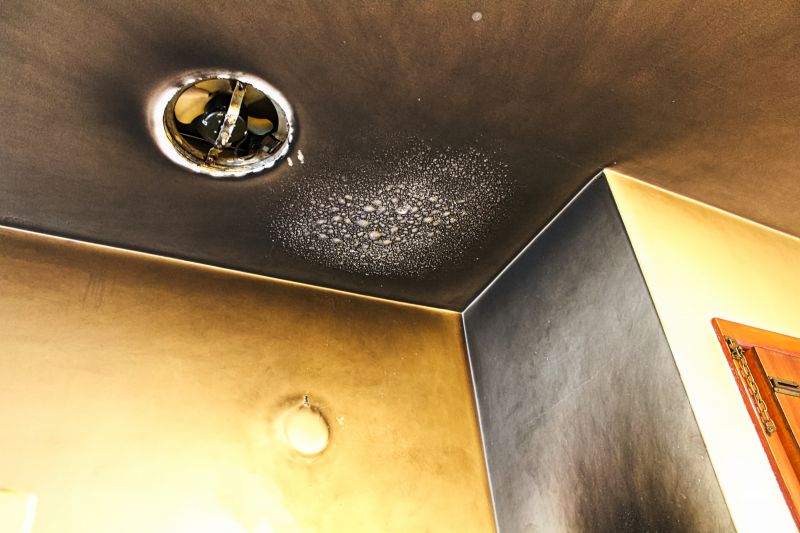
Interior damage caused by smoke and flames requiring restoration.
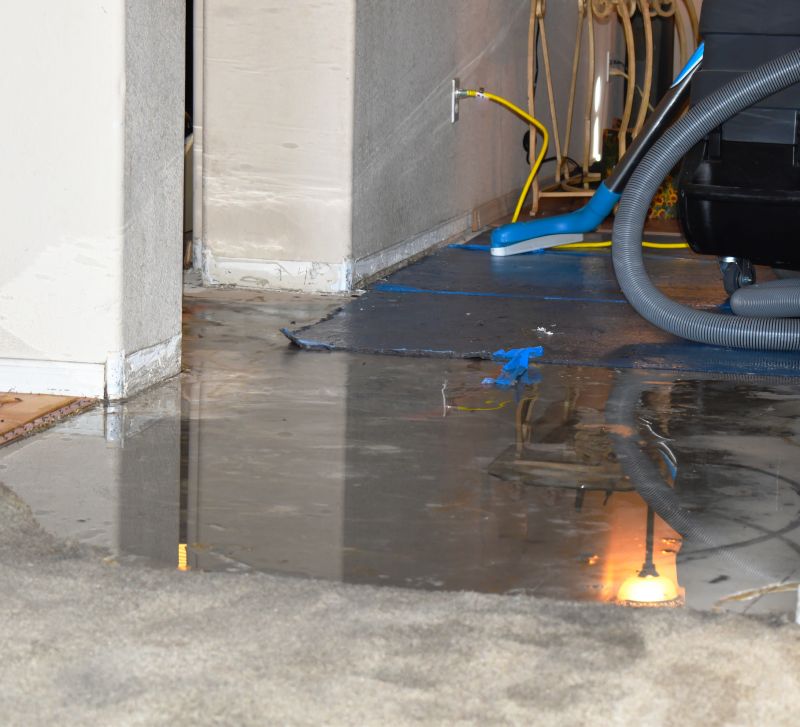
Specialized tools used for cleaning and repairs after fire damage.
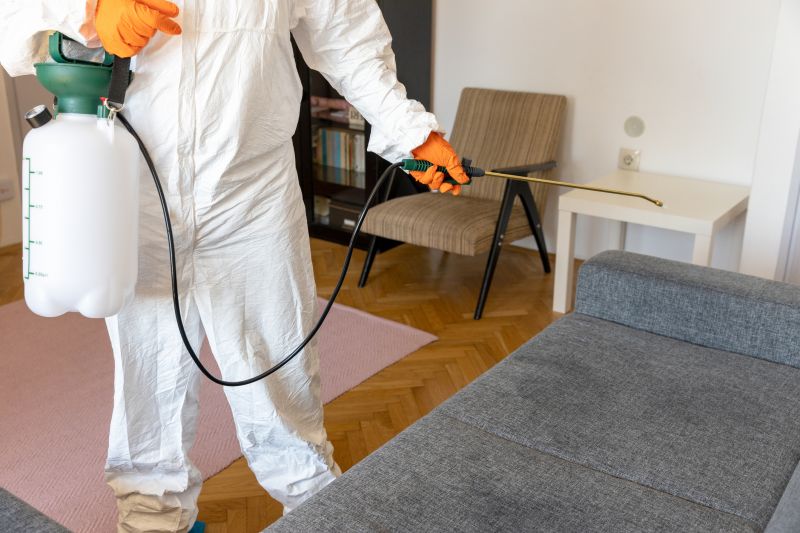
Application of odor-neutralizing agents to restore indoor air quality.
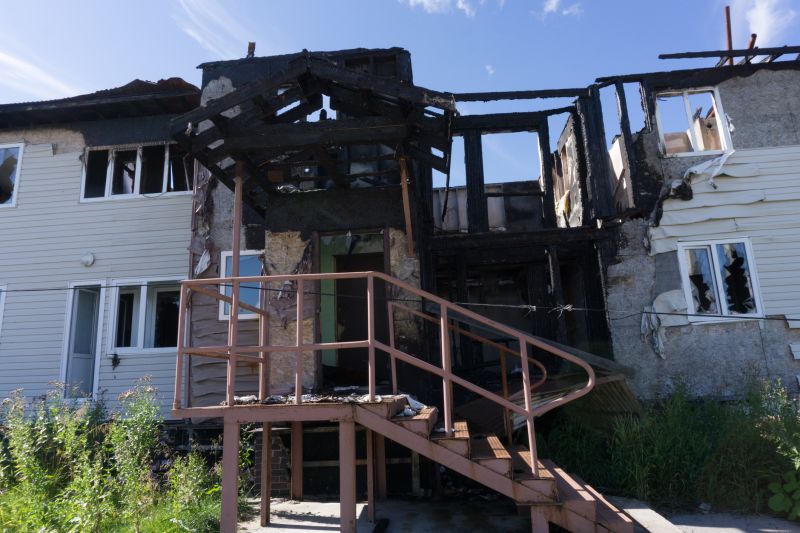
Rebuilding and reinforcing damaged structural elements.
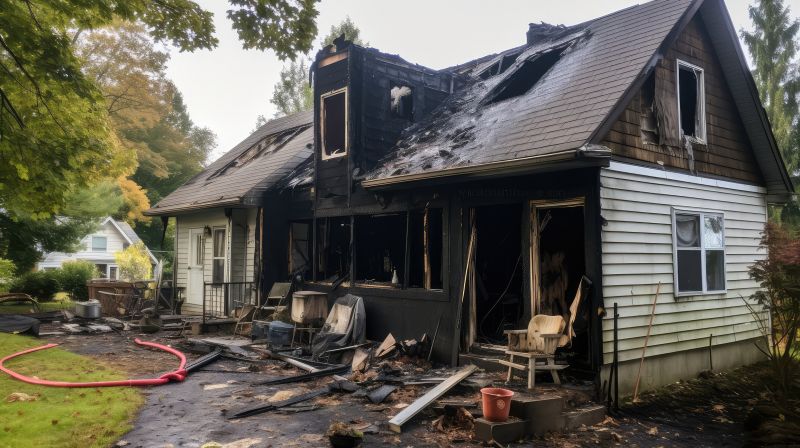
Finishes and colors that play nicely with Fire Restorations.
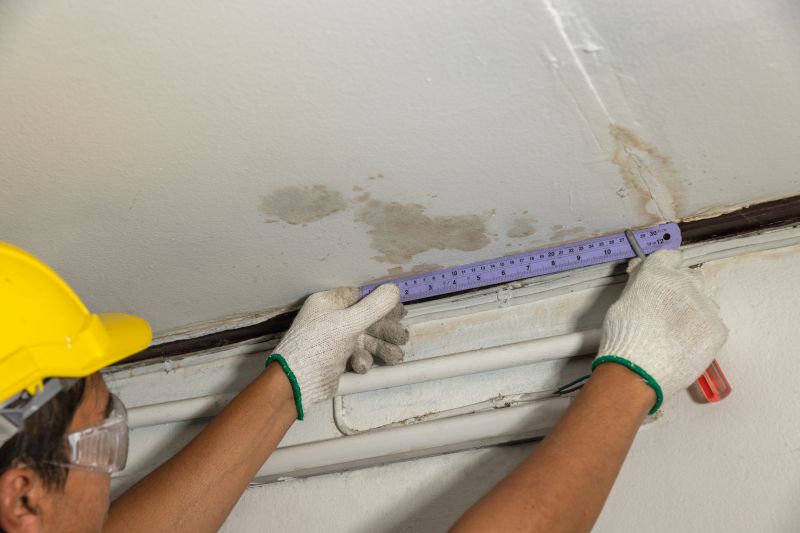
Little measurements that prevent headaches on Fire Restorations day.
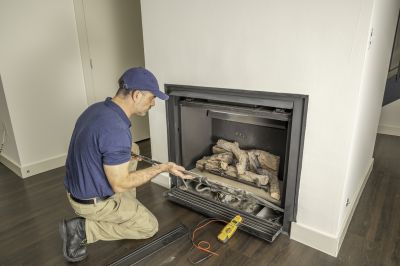
A 60-second routine that keeps Fire Restorations looking new.
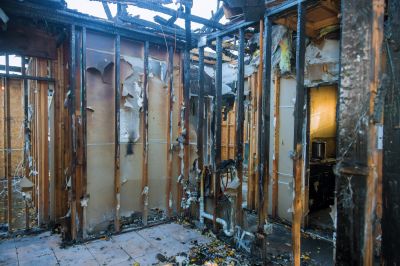
A frequent mistake in Fire Restorations and how to dodge it.
Individuals seeking fire restoration services are encouraged to contact for detailed assessments and tailored restoration plans. Proper timing and expert execution are essential for restoring safety and integrity to affected properties.