
Top Fire Restoration Supplies To Accelerate Your Recovery
Choose from proven products that help streamline the fire damage cleanup and restoration process efficiently.
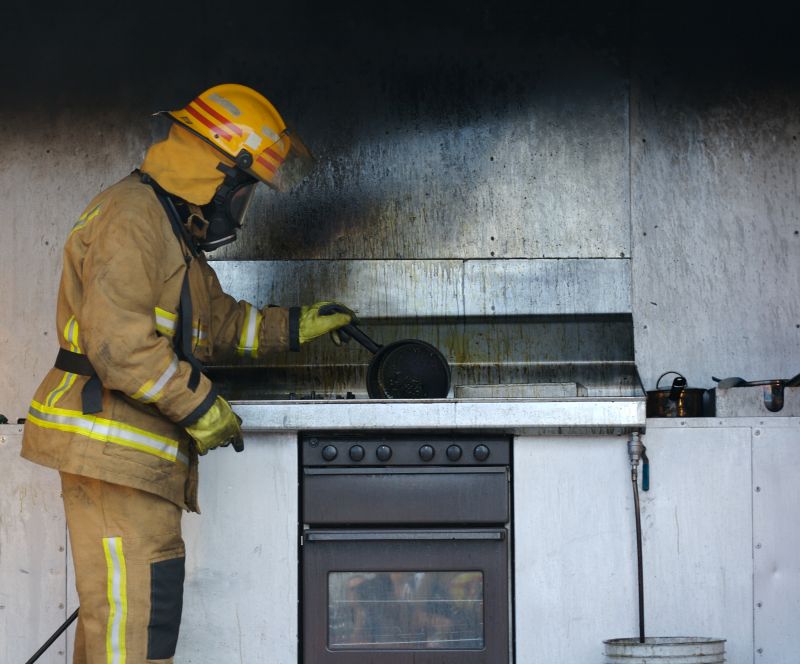 Fire restoration is a critical process that involves carefully addressing the aftermath of a fire incident to restore safety, hygiene, and property integrity. A variety of specialized products are essential in this effort, ranging from cleaning agents to protective equipment. Properly selected tools and materials can help mitigate smoke damage, eliminate odors, and prevent further deterioration of affected surfaces and structures. In Vero Beach, FL, where fire incidents can impact residential and commercial properties alike, having access to effective restoration products is vital for professionals and property owners alike.
Top Overall Option
Comprehensive Fire Damage Restoration Kit
A well-rounded fire damage restoration kit typically includes a selection of cleaning agents, odor neutralizers, protective gear, and surface sealants. These kits are designed to provide essential tools for addressing soot, smoke, and odor issues comprehensively. They serve as a versatile starting point for professional restorers or property owners undertaking DIY restoration efforts, offering convenience and coverage for various needs in fire-affected spaces.
Types of Products For Fire Restorations
Soot and Smoke Cleaners
Specialized solutions formulated to remove soot and smoke residues from surfaces and materials.
Odor Neutralizers
Products designed to eliminate or mask lingering smoke odors, improving indoor air quality.
Fire-Resistant Drywall
Building materials that resist ignition and provide added safety during structural repairs.
Sealants and Primers
Materials used to seal surfaces and contain odors or prevent further damage.
Protective Gear
Respirators, gloves, and coveralls to ensure safety during restoration activities.
Fire-Resistant Insulation
Insulation materials that help prevent the spread of fire and smoke within structures.
Cleaning Brushes and Scrapers
Tools for manual removal of soot and debris from surfaces.
Dehumidifiers and Air Purifiers
Equipment to improve air quality and reduce moisture that can exacerbate damage.
Fire-Resistant Paints
Paints formulated to resist ignition and contain existing damage.
Structural Repair Materials
Drywall, framing, and other materials for rebuilding fire-damaged structures.
Smoke Sponges
Abrasive cleaning tools used to lift soot from surfaces without spreading residues.
Water and Chemical Fire Extinguishers
Devices for immediate response and suppression of small fires.
Fire-Resistant Doors and Windows
Structural components that help contain fire and smoke spread.
Thermal Imaging Cameras
Tools to detect hidden hotspots and assess damage during restoration.
Fire-Resistant Sealants
Materials used to seal cracks and joints to prevent fire and smoke infiltration.
Popular Choices
Highly sought-after for their ability to quickly neutralize persistent smoke odors.
Commonly used for manual soot cleaning on various surfaces.
Essential safety equipment for workers involved in fire damage restoration.
Popular building materials for structural repairs in fire-affected areas.
Frequently used to treat surfaces and air spaces after fire incidents.
Commonly employed to control moisture and prevent secondary damage.
Chosen for their ability to help contain fire spread during rebuilding.
Popular for improving indoor air quality during and after restoration.
Standard equipment for immediate fire suppression in small fires.
Used to encapsulate soot and odors on various surfaces.
Often selected for new construction or structural reinforcement.
Widely used tools for manual soot removal.
In high demand for assessing hidden damage and hotspots.
Popular for their gentle yet effective soot lifting capabilities.
Frequently chosen to contain fire and smoke spread during rebuilding.
Fire damage often leaves behind stubborn soot and ash that penetrate surfaces, making cleaning a complex task. Effective cleaning solutions are designed to break down these residues without damaging surfaces or posing health risks. Odor neutralizers play a crucial role in restoring indoor air quality, especially in enclosed spaces where smoke can linger long after the fire is extinguished. Additionally, protective gear such as respirators and gloves are necessary to ensure safety during restoration activities.
Restoration products also include specialized sealants and coatings that help encapsulate residual odors and prevent future damage. For structural repairs, fire-resistant materials like drywall, insulation, and fire-rated paints are often used to rebuild and reinforce affected areas. The right combination of these products depends on the extent of the damage, the type of surfaces involved, and the specific needs of each restoration project. Proper selection and application of these products can facilitate a smoother, safer recovery process for property owners and restoration professionals in Vero Beach, FL.
Key Buying Considerations
- Extent of fire and smoke damage to determine the necessary products.
- Type of surfaces affected, such as wood, drywall, or fabric, to select appropriate cleaning agents.
- Safety features of products, including non-toxicity and ease of use.
- Compatibility of sealants and coatings with existing materials for effective application.
- Effectiveness of odor neutralizers in eliminating persistent smells.
- Availability of protective gear to ensure safety during restoration activities.
- Durability and fire resistance ratings of building materials used in repairs.
- Ease of handling and application of cleaning tools and equipment.
- Secondary damage prevention, such as moisture control and mold prevention.
- Budget constraints while ensuring the use of effective, quality products.
- Environmental conditions of the site, including ventilation and humidity levels.
- Compliance with local building codes and safety standards.
- Professional consultation or guidance for complex damage scenarios.
- Availability of comprehensive kits versus individual products for targeted needs.
- Long-term maintenance and safety considerations for repaired structures.